
Logistics Robots
Logistik Roboter
Introduction to Logistics Robots
Logistics robots have become a core component of modern industrial and distribution processes. As companies face increasing demands for speed, efficiency, and flexibility, automated solutions in logistics are gaining strategic importance. Organizations must move, sort, and deliver large volumes of goods reliably and within tight timeframes. This is where robots for logistics play a critical role.
Robotics and automation in logistics enable companies to design efficient and scalable material flow systems. From traditional industrial robots to autonomous mobile platforms, modern technologies provide flexible solutions for dynamic warehouse and production environments. Unlike fixed conveyor systems, robots in warehouse logistics can adapt to changing layouts and operational requirements without major infrastructure modifications.
Another key development is the integration of robots in logistics and supply chain operations into digital ecosystems. Through connectivity with ERP, WMS, and MES systems, companies create transparent and data-driven workflows. As a result, logistics robots are no longer isolated machines but intelligent components within a connected supply chain infrastructure.
Benefits of Using Logistics Robots
he implementation of logistics robotics provides measurable advantages across operational, financial, and safety dimensions. One of the most significant benefits is improved productivity. Logistics robots can operate continuously with consistent performance, reducing downtime and increasing throughput.
Cost efficiency is another major factor. By introducing robotics in supply chain management, companies reduce manual labor requirements and minimize human error. Automated systems handle repetitive transport and handling tasks with high precision, improving process reliability.
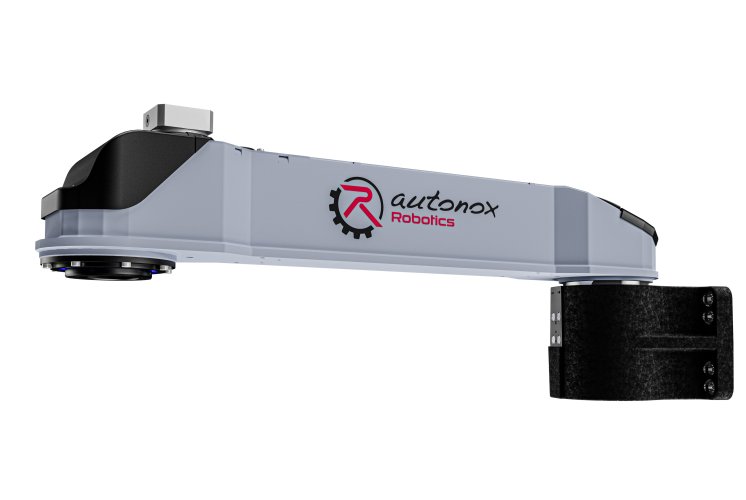
Flexibility is equally important. Robots for logistics can be easily reconfigured to support new workflows, product types, or seasonal demand fluctuations. In fast-changing industries such as e-commerce and manufacturing, this adaptability provides a competitive advantage.
Safety improvements also play a central role. Robots in warehouse logistics take over physically demanding or hazardous tasks, reducing workplace injuries and improving ergonomics. Modern systems are equipped with advanced sensors and safety features that enable safe collaboration between humans and machines.
Types of Logistics Robots
There are several types of logistics robots designed to support different operational requirements. Understanding these categories helps companies identify the most suitable solutions for their specific applications.
One of the most common types includes autonomous mobile robots (AMR). These systems navigate independently through warehouses and production facilities, transporting materials between storage locations and workstations. They are widely used in warehouse logistics applications due to their flexibility and scalability.
Another important category consists of automated guided vehicles (AGV). These vehicles follow predefined routes and are typically used for predictable and repetitive transport tasks. They are commonly implemented in large distribution centers and manufacturing environments.
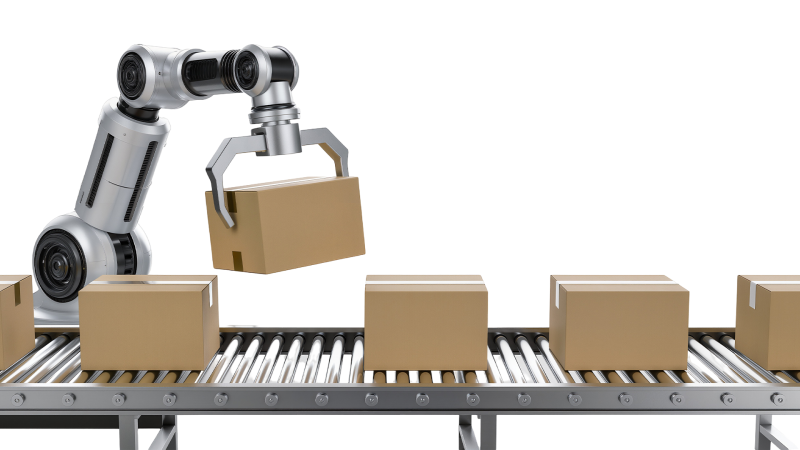
Pick-and-place robots represent another group of logistics robot examples frequently used in order fulfillment and packaging processes. These robots handle products quickly and precisely, supporting high-speed sorting and packing operations.
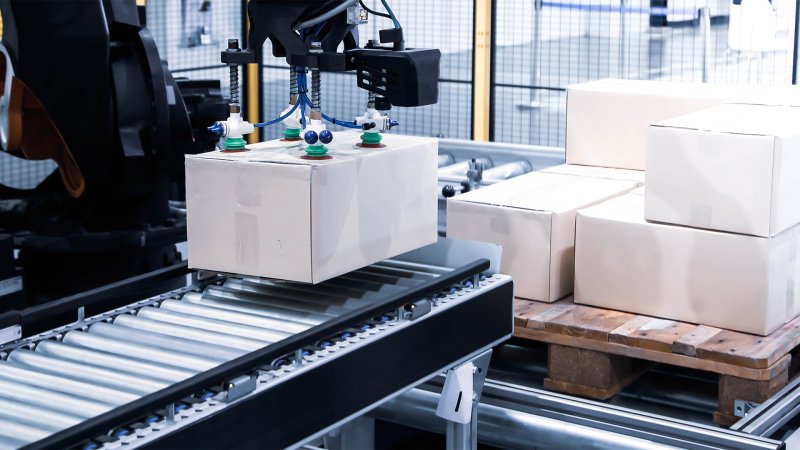
In addition, palletizing and depalletizing robots are widely deployed in logistics and supply chain facilities. They ensure consistent stacking patterns, optimize space utilization, and improve overall operational efficiency.
Selection Criteria for Logistics Robots
Selecting the right logistics robots requires a comprehensive evaluation of technical and operational requirements. The first step is to analyze the specific application scenario, including payload capacity, working range, cycle time, and required accuracy.
System integration capabilities are another critical factor. Modern logistics robotics companies increasingly focus on open system architectures that allow seamless integration with existing automation and IT environments. Compatibility with various control systems and communication interfaces ensures long-term flexibility.
Scalability should also be considered during the selection process. As business volumes grow, companies need solutions that can expand without requiring complete system redesigns. Modular robot logistics systems allow gradual expansion while maintaining operational continuity.
Economic considerations play an equally important role. In addition to initial investment costs, organizations must evaluate maintenance requirements, energy consumption, and total cost of ownership over the system lifecycle.
Conclusion and Considerations for Implementing Logistics Robots
Successful implementation of logistics robots requires a structured and well-planned approach. The process typically begins with a detailed analysis of existing workflows to identify automation opportunities and performance bottlenecks.
The next phase involves selecting suitable technologies and defining integration strategies. This includes mechanical installation, software configuration, and connection to warehouse management systems and production control systems. Close collaboration between system integrators, automation engineers, and operations teams is essential for smooth deployment.
Employee training is another key success factor. Staff members must understand how to operate, maintain, and monitor automated systems effectively. Proper training ensures reliable system performance and maximizes the return on investment.
After commissioning, continuous monitoring and optimization are necessary to maintain efficiency. Modern robotics in supply chain management solutions provide performance data that can be used to improve workflows and support predictive maintenance strategies.
Future Trends in Logistics Robots
The development of logistics robots will continue to accelerate as new technologies emerge. Artificial intelligence, machine learning, and advanced sensor systems are enabling smarter and more autonomous operations.
Future logistics robotics companies are focusing on intelligent systems capable of real-time decision-making and adaptive process control. These systems will coordinate material flows automatically, optimize routing, and respond to unexpected changes in demand or production schedules.
Another major trend is the increasing use of mobile robotics in decentralized logistics networks. Flexible robotic systems allow companies to respond quickly to market changes while maintaining high levels of efficiency and reliability.
In the long term, robots in logistics and supply chain operations will become an integral part of fully automated supply chains. Companies that invest in automation today will be better positioned to compete in increasingly complex and dynamic markets.
Logistics Robots by autonox Robotics
autonox Robotics represents an open and flexible approach to robotics and automation in logistics. The company specializes in controller-independent robot mechanics that can be integrated into a wide range of automation environments.
Unlike traditional closed systems, autonox solutions allow users to combine with the robot kinematics, control systems and software from different suppliers. This open architecture provides maximum flexibility and reduces dependence on proprietary technologies.
For companies implementing robots for logistics, this approach offers significant advantages, including easier integration, improved scalability, and long-term investment security. autonox supports modern robotics in supply chain management by delivering reliable, adaptable, and future-ready automation solutions.